 Business License
USe Organic Waste Fermentation Technology with Semi-Permeable Membrane Cover
Organic Waste Fermentation Technology with Semi-Permeable Membrane Cover
With the rapid growth of urban domestic waste and agricultural breeding waste, the harmless treatment and resource recycling of organic waste have become a key focus of environmental protection and circular economy development. Organic waste, including household domestic garbage, livestock and poultry feces, and other biodegradable materials, is rich in organic matter, nitrogen, phosphorus, potassium and other trace elements. Through scientific fermentation and decomposition, it can be converted into high-quality organic fertilizer, realizing waste reduction, harmless treatment and resource reuse. The semi-permeable membrane covering fermentation technology is an innovative, efficient and eco-friendly aerobic composting method that effectively optimizes the traditional organic waste composting process.
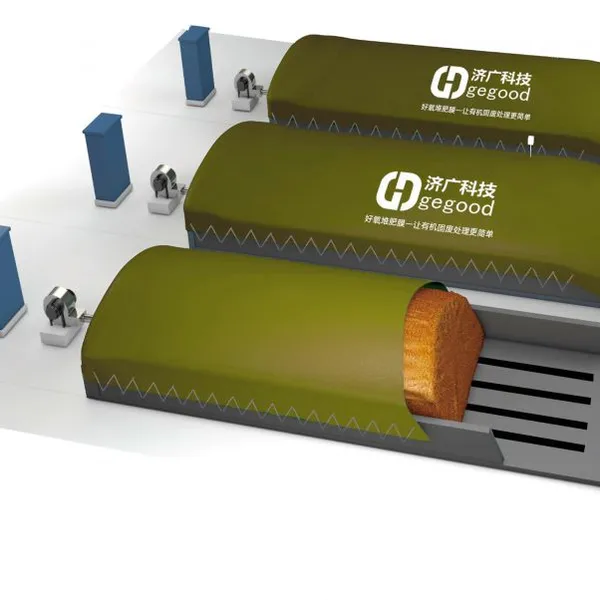
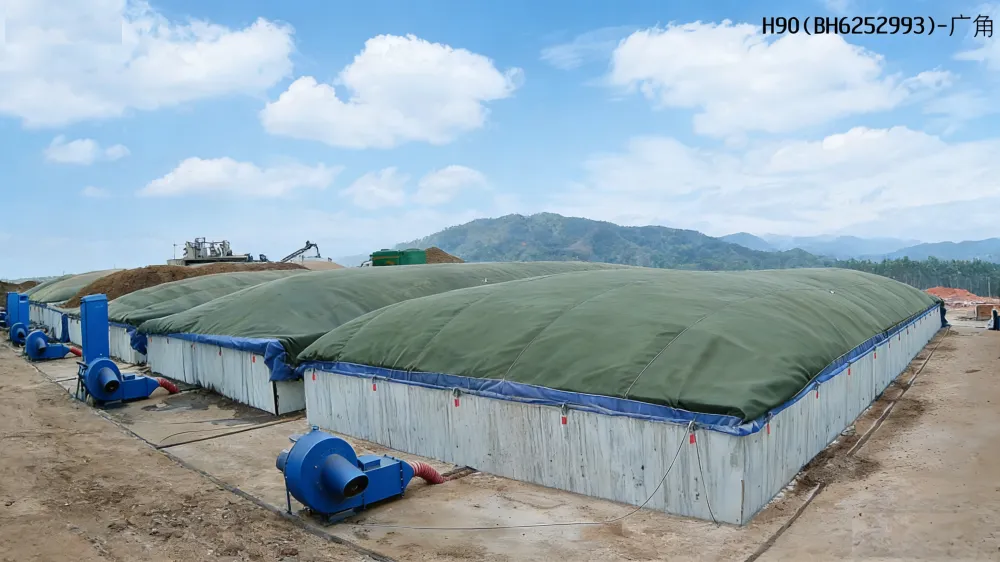
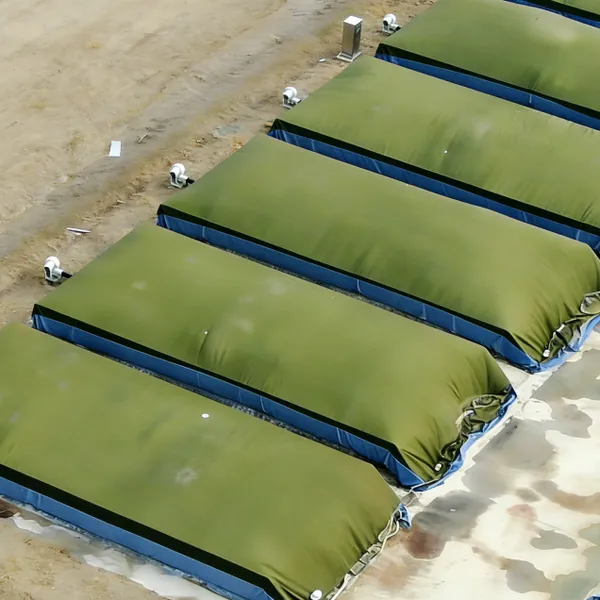
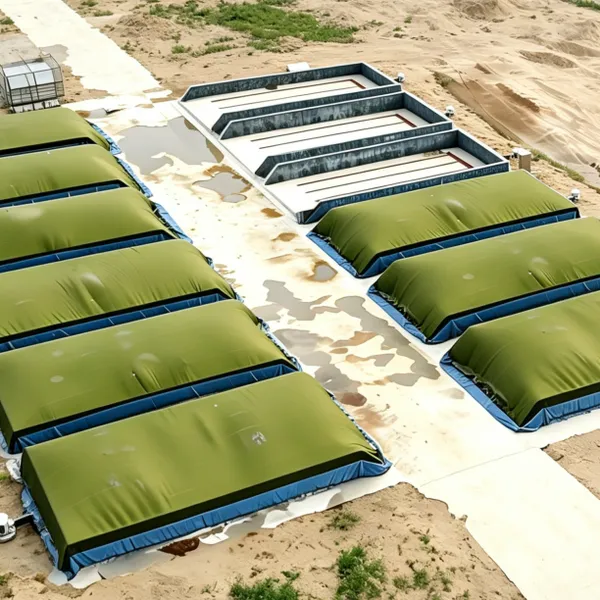
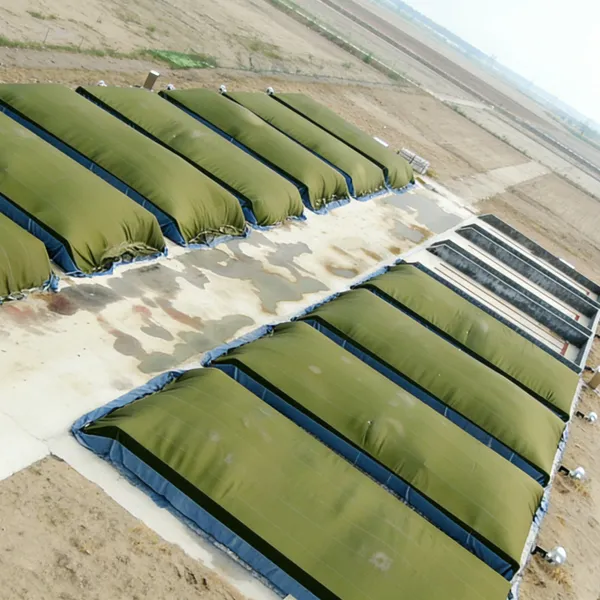
This core technology relies on the unique microporous structure of the semi-permeable membrane material. The membrane features selective permeability: it allows smooth passage of water vapor and air to maintain a stable aerobic environment inside the compost pile, while effectively blocking the outward diffusion of odor molecules, dust, aerosols and harmful microorganisms. Different from traditional open-air composting, the membrane cover also serves as a protective barrier against external interference, preventing rainwater erosion, wind loss and extreme temperature changes, so as to create a constant and favorable micro-ecological environment for microbial fermentation.
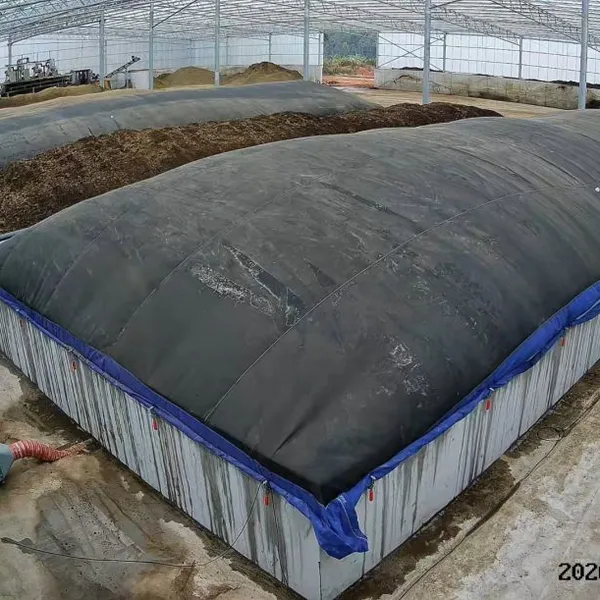
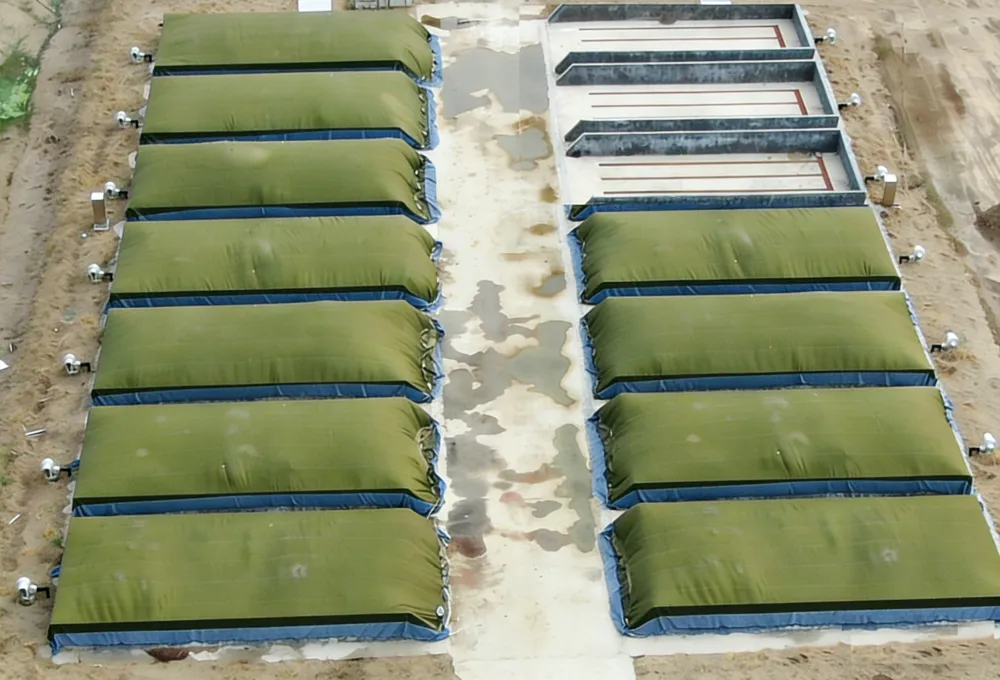
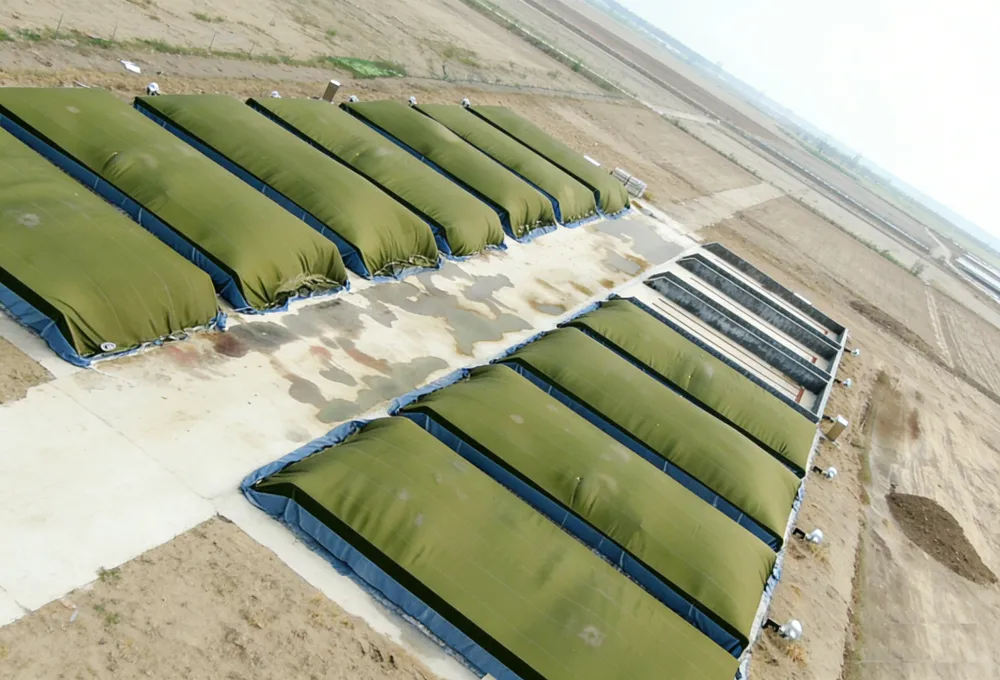
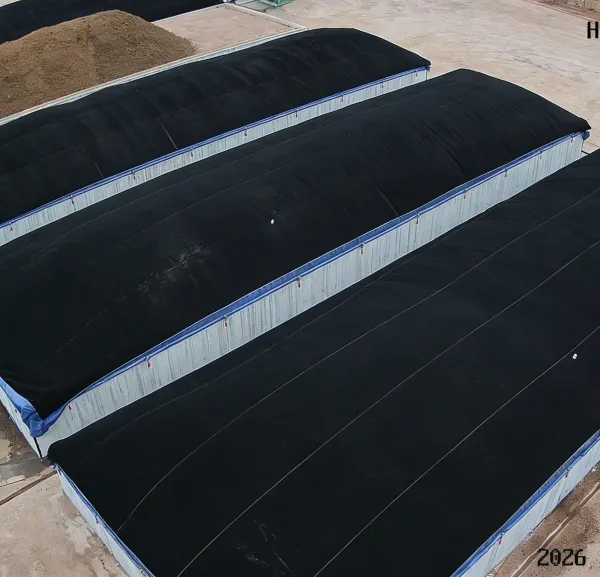
The overall fermentation process is simple, efficient and standardized. Firstly, collected organic waste such as domestic organic garbage and feces is sorted, crushed and evenly mixed to adjust the appropriate carbon-nitrogen ratio and moisture content, meeting the basic conditions for microbial growth and reproduction. Then, the pretreated organic materials are piled into regular compost windrows and fully covered with professional semi-permeable membrane materials. Combined with micro-pressure intermittent aeration systems, uniform oxygen supply is realized inside the pile, which avoids anaerobic dead zones and accelerates the reproduction and metabolic activity of beneficial aerobic microorganisms.
Under the stable microenvironment regulated by the semi-permeable membrane, beneficial microorganisms rapidly decompose macromolecular organic substances in the waste, such as cellulose, protein and starch. During the high-temperature fermentation stage, the continuous high temperature inside the compost pile can effectively kill harmful bacteria, parasite eggs and weed seeds in the raw materials, completing the harmless treatment of organic waste. After a period of continuous fermentation, aging and ripening, the original decaying organic waste is completely decomposed and transformed into loose, nutrient-rich and stable humus organic fertilizer.
Compared with traditional composting technologies, semi-permeable membrane-covered fermentation has prominent comprehensive advantages. In terms of environmental protection, it can reduce odor emission by up to 95%, effectively solving the odor pollution problem that plagues traditional composting sites and enabling the technology to be applied near residential areas. In terms of efficiency, the membrane’s precise regulation of temperature, humidity and oxygen greatly shortens the composting cycle by 30% to 50% and improves fermentation stability and maturity. In terms of quality, the fully ripened organic fertilizer has balanced nutrients, high activity and no harmful residues, which can effectively improve soil structure, enhance soil fertility, reduce chemical fertilizer dependence, and promote green and sustainable agricultural development.
In terms of practical application, this technology is suitable for multiple scenarios including urban domestic organic waste treatment, livestock and poultry breeding manure disposal, and rural organic waste recycling. It features low operation cost, small site occupation, simple operation and strong environmental adaptability, avoiding the defects of traditional composting such as low efficiency, serious pollution and unstable fertilizer quality. As a mature and advanced waste resource utilization technology, semi-permeable membrane-covered organic waste fermentation provides a reliable solution for the harmless and resourceful treatment of organic waste, and plays an important role in promoting ecological environmental protection and circular economic development.
Recently Posted
-
Household Waste Treatment via Semi-Permeable Membrane Organic Fertilizer Fermentation of GG
June 23, 2026Household Waste Treatment via Semi-Permeable Membrane Organic Fertilizer FermentationWith the rapid growth of urban domestic waste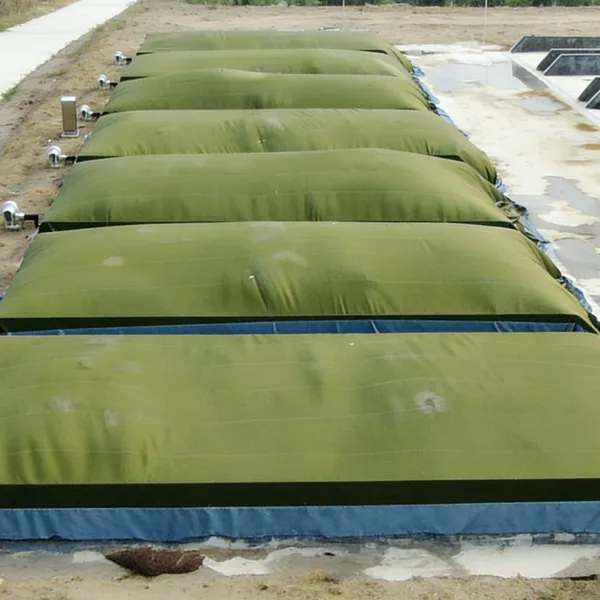 Read More
 -
Household Waste Treatment via Semi-Permeable Membrane Organic Fertilizer Fermentation go-re
June 23, 2026Household Waste Treatment via Semi-Permeable Membrane Organic Fertilizer FermentationWith the rapid growth of urban domestic waste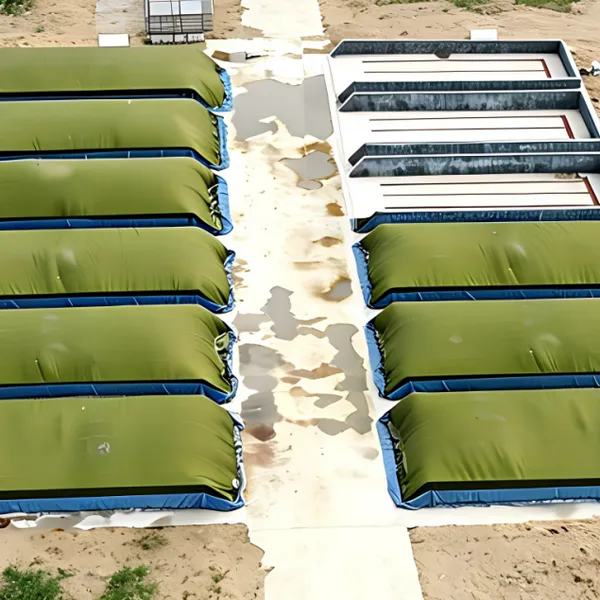 Read More
 -
Household Waste Treatment via Semi-Permeable Membrane Organic Fertilizer Fermentation OF go re
June 23, 2026Household Waste Treatment via Semi-Permeable Membrane Organic Fertilizer FermentationWith the rapid growth of urban domestic waste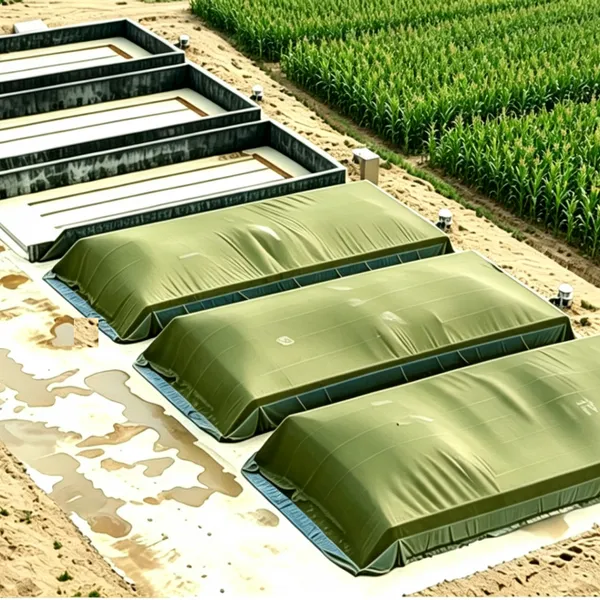 Read More
 -
Household Waste Treatment via Semi-Permeable Membrane Organic Fertilizer Fermentation GO GOOD
June 23, 2026Household Waste Treatment via Semi-Permeable Membrane Organic Fertilizer FermentationWith the rapid growth of urban domestic waste
Read More

Contact Us

Recommended Products
-
 Domestic Waste Aerobic Fermentation Organic Covering EPTFE Semi-permeable Membrane System of GegoodUS$ 3000MOQ: 1 Set
 -
Domestic Waste Aerobic Fermentation Organic Covering EPTFE Semi-permeable Membrane System of GegoodUS$ 3000MOQ: 1 Set
-
Domestic Waste Aerobic Fermentation Organic Covering EPTFE Semi-permeable Membrane System of GegoodUS$ 3000MOQ: 1 Set
-
Domestic Waste Aerobic Fermentation Organic Covering EPTFE Semi-permeable Membrane System of GegoodUS$ 3000MOQ: 1 Set
-
Domestic Waste Aerobic Fermentation Organic Covering EPTFE Semi-permeable Membrane System of GegoodUS$ 3000MOQ: 1 Set
-
Domestic Waste Aerobic Fermentation Organic Covering EPTFE Semi-permeable Membrane System of JiguangUS$ 3000MOQ: 1 Set
-
Domestic Waste Aerobic Fermentation Organic Covering EPTFE Semi-permeable Membrane System of JiguangUS$ 3000MOQ: 1 Set
-
Domestic Waste Aerobic Fermentation Organic Covering EPTFE Semi-permeable Membrane System of JiguangUS$ 3000MOQ: 1 Set
-
Domestic Waste Aerobic Fermentation Organic Covering EPTFE Semi-permeable Membrane System of JiguangUS$ 3000MOQ: 1 Set
-
Domestic Waste Aerobic Fermentation Organic Covering EPTFE Semi-permeable Membrane System of JiguangUS$ 3000MOQ: 1 Set
-
Qingdao Gegood® Domestic Waste Aerobic Fermentation Organic Covering EPTFE Semi-permeable Membrane SystemUS$ 3000MOQ: 1 Set
-
Qingdao Gegood® Domestic Waste Aerobic Fermentation Organic Covering EPTFE Semi-permeable Membrane SystemUS$ 3000MOQ: 1 Set
-
Qingdao Gegood® Domestic Waste Aerobic Fermentation Organic Covering EPTFE Semi-permeable Membrane SystemUS$ 3000MOQ: 1 Set
-
Qingdao Gegood® Domestic Waste Aerobic Fermentation Organic Covering EPTFE Semi-permeable Membrane SystemUS$ 3000MOQ: 1 Set
-
Qingdao Gegood® Domestic Waste Aerobic Fermentation Organic Covering EPTFE Semi-permeable Membrane SystemUS$ 3000MOQ: 1 Set
-
Gegood® Domestic Waste Aerobic Fermentation Organic Covering EPTFE Semi-permeable Membrane SystemUS$ 3000MOQ: 1 Set
-
Gegood® Domestic Waste Aerobic Fermentation Organic Covering EPTFE Semi-permeable Membrane SystemUS$ 3000MOQ: 1 Set
-
Gegood® Domestic Waste Aerobic Fermentation Organic Covering EPTFE Semi-permeable Membrane SystemUS$ 3000MOQ: 1 Set
-
Gegood® Domestic Waste Aerobic Fermentation Organic Covering EPTFE Semi-permeable Membrane SystemUS$ 3000MOQ: 1 Set
-
Gegood® Domestic Waste Aerobic Fermentation Organic Covering EPTFE Semi-permeable Membrane SystemUS$ 3000MOQ: 1 Set