 Business License
Household Waste Treatment via Semi-Permeable Membrane Organic Fertilizer Fermentation OF go re
Household Waste Treatment via Semi-Permeable Membrane Organic Fertilizer Fermentation
With the rapid growth of urban domestic waste and the increasing emphasis on ecological environmental protection, the harmless treatment and resource recycling of household waste have become crucial issues in urban environmental governance. Organic waste, including kitchen scraps, fruit and vegetable residues, and garden trimmings, accounts for more than half of total household waste. Traditional waste disposal methods such as landfilling and incineration easily cause soil pollution, odor diffusion, greenhouse gas emissions and resource waste. Against this background, the innovative technology of household waste treatment by fermenting organic fertilizer using semi-permeable membranes has emerged as an efficient, eco-friendly and sustainable solution for organic waste recycling.
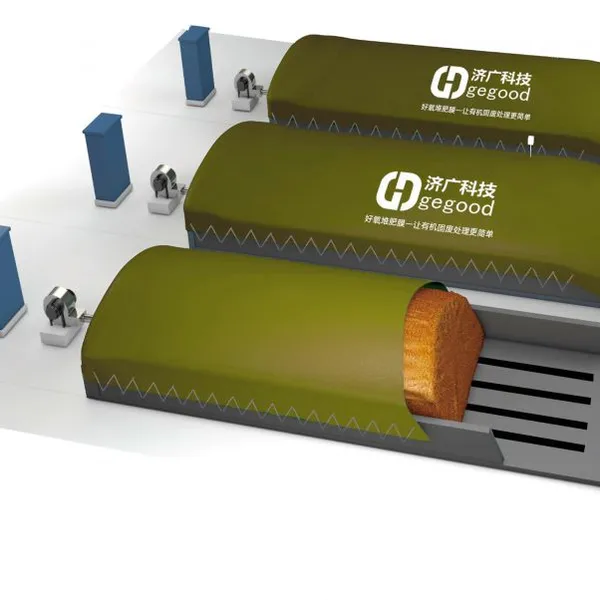
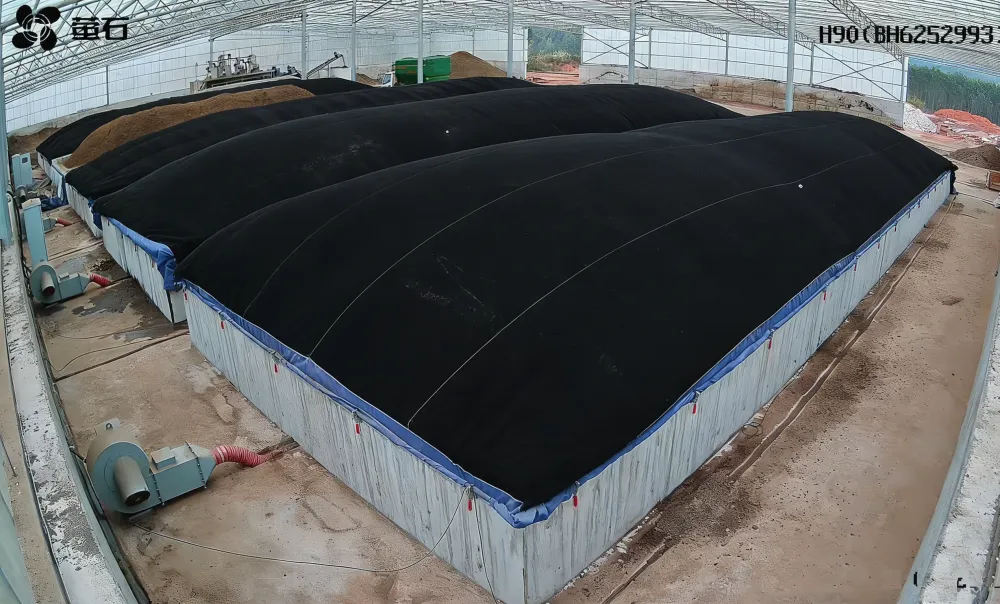
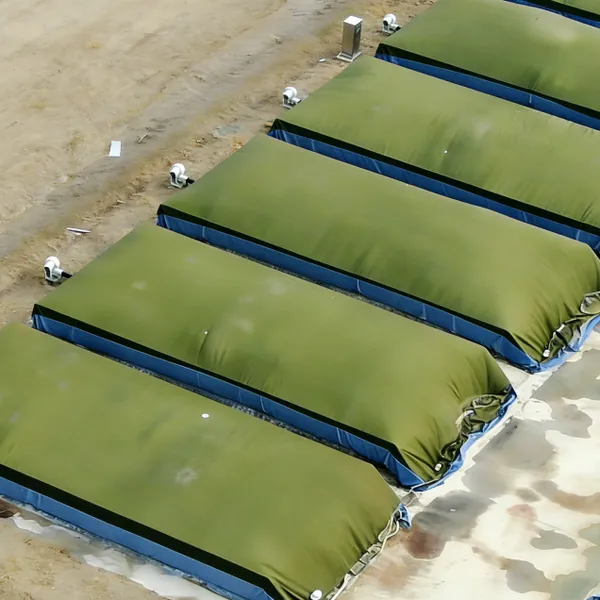
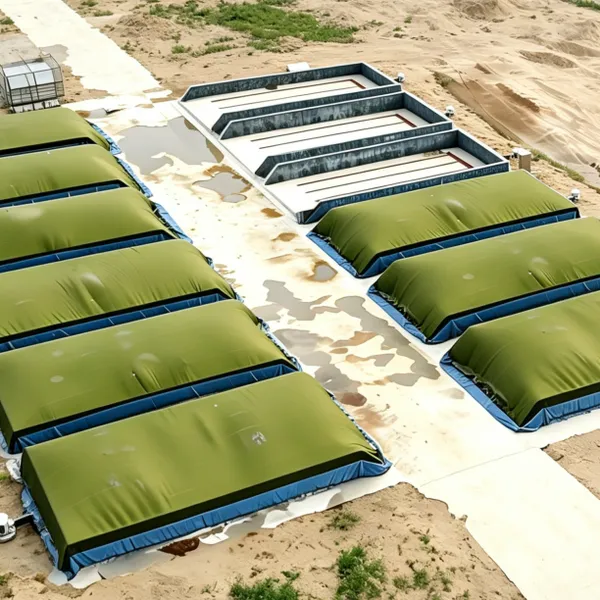
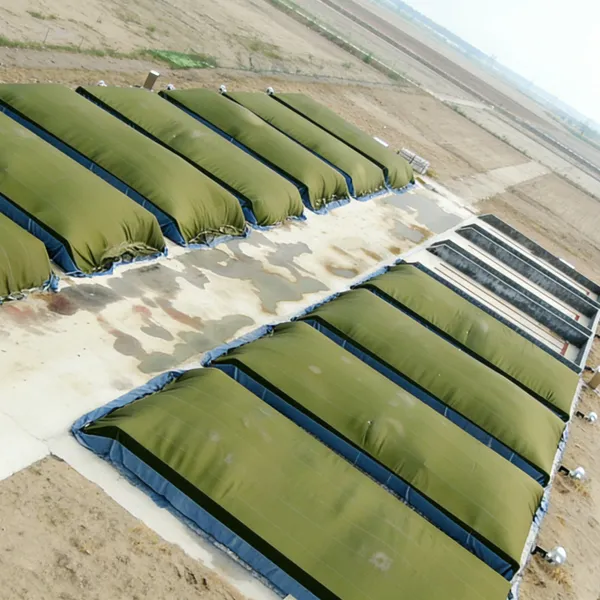
Semi-permeable membrane fermentation technology is a modern composting process optimized based on traditional aerobic fermentation principles, relying on the unique selective permeability of high-tech microporous membranes. Different from ordinary breathable or waterproof materials, the semi-permeable membrane features uniform and tiny pore structures with a special hydrophobic molecular filter function. Its core working mechanism lies in precise gas and moisture regulation: it allows water vapor, carbon dioxide and oxygen to freely pass through the membrane to maintain the aerobic microbial fermentation environment inside the compost pile, while effectively blocking harmful odor gases such as ammonia and hydrogen sulfide, as well as external rainwater, dust, pathogens and insect pests. This unique “breathable and water-proof, odor-locking and purification” function creates a stable and closed fermentation microclimate for household organic waste.
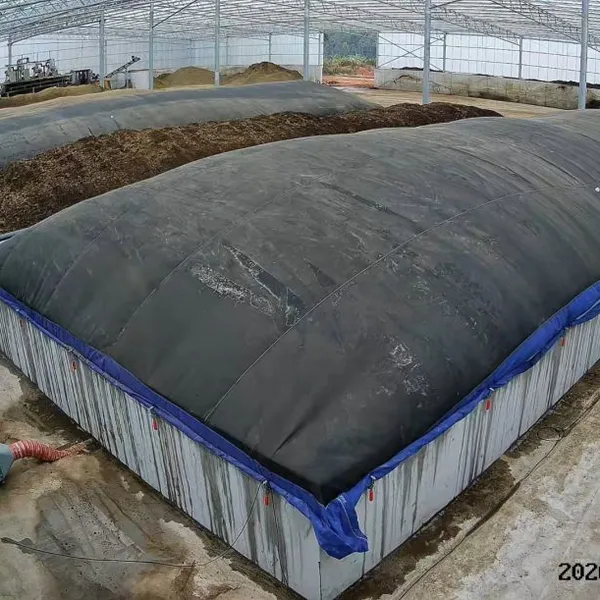
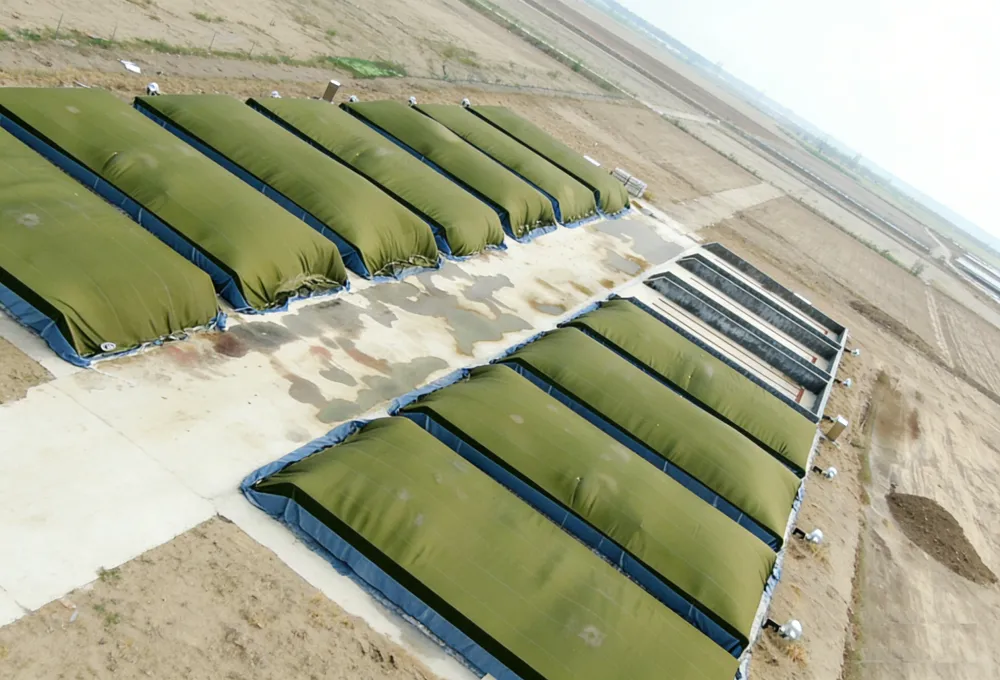
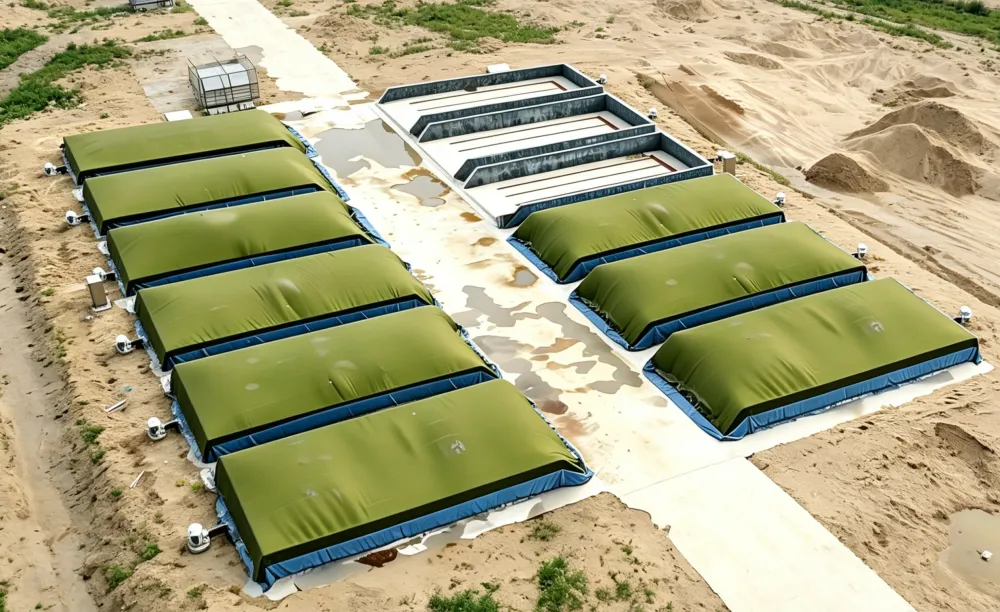
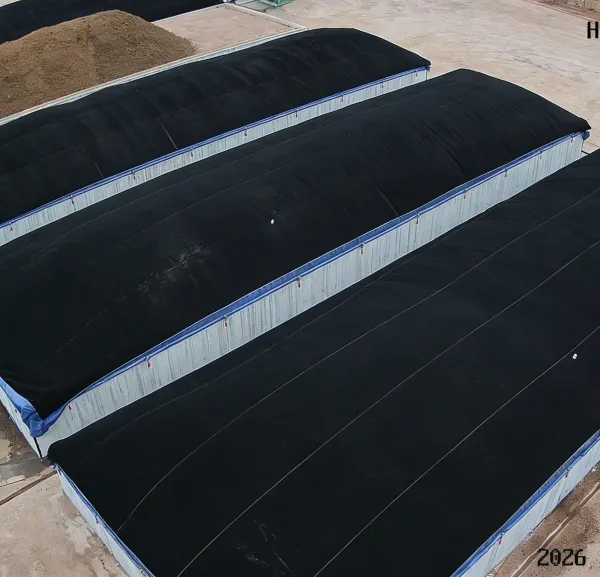
The whole treatment process is simple, efficient and suitable for community, residential and small-scale centralized waste treatment. First, sorted household organic waste is crushed and homogenized to adjust moisture and carbon-nitrogen ratio, creating optimal conditions for microbial reproduction. Then, the treated organic materials are stacked into fermentation piles and fully covered with professional semi-permeable membranes. Under the membrane’s self-regulated constant temperature and humidity environment (maintaining a stable temperature of 55-70°C inside the pile), beneficial microorganisms multiply rapidly and decompose complex organic substances such as protein, cellulose and starch efficiently. The high temperature sustained in the fermentation process can thoroughly kill harmful bacteria, parasite eggs and weed seeds in the waste, realizing harmless treatment. Compared with traditional composting that takes 2-3 months, the semi-permeable membrane fermentation shortens the primary fermentation cycle to only 3-4 weeks, greatly improving treatment efficiency.
This innovative technology possesses multiple prominent advantages over traditional household waste treatment methods. In terms of environmental protection, the closed membrane structure completely suppresses odor overflow and secondary pollution, enabling the waste treatment process to be carried out near residential areas without disturbing the living environment. In terms of resource utilization, the fully fermented organic waste is transformed into high-quality humus-rich organic fertilizer with abundant beneficial microorganisms, which can effectively improve soil structure, enhance soil fertility and reduce the application of chemical fertilizers, realizing the circular utilization of waste resources. In terms of operational cost, the membrane-covered system does not require complex ventilation and deodorization equipment, with low energy consumption and simple daily maintenance, saving a large amount of operating and land occupation costs. In addition, the semi-permeable membrane is durable and adaptable to various weather conditions, supporting stable year-round fermentation operation.
In the context of global low-carbon development and waste classification promotion, semi-permeable membrane organic fertilizer fermentation technology provides a perfect circular economy model for household waste treatment. It solves the pain points of long cycle, serious pollution and low resource utilization rate of traditional composting, and realizes the organic integration of waste harmlessness, reduction and resource utilization. As a green and efficient waste treatment technology, it has broad application prospects in urban community waste treatment, rural domestic waste recycling, urban garden greening and ecological agricultural planting, and plays a vital role in promoting ecological environmental protection and sustainable urban development.
Recently Posted
-
Household Waste Treatment via Semi-Permeable Membrane Organic Fertilizer Fermentation of GG
June 23, 2026Household Waste Treatment via Semi-Permeable Membrane Organic Fertilizer FermentationWith the rapid growth of urban domestic waste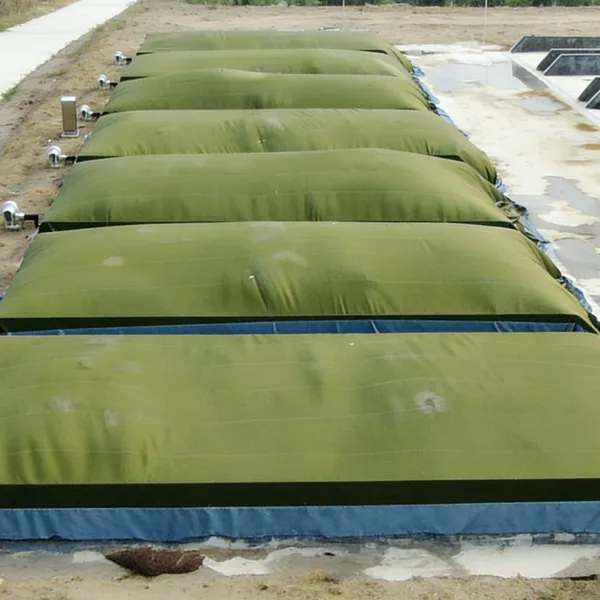 Read More
 -
Household Waste Treatment via Semi-Permeable Membrane Organic Fertilizer Fermentation go-re
June 23, 2026Household Waste Treatment via Semi-Permeable Membrane Organic Fertilizer FermentationWith the rapid growth of urban domestic waste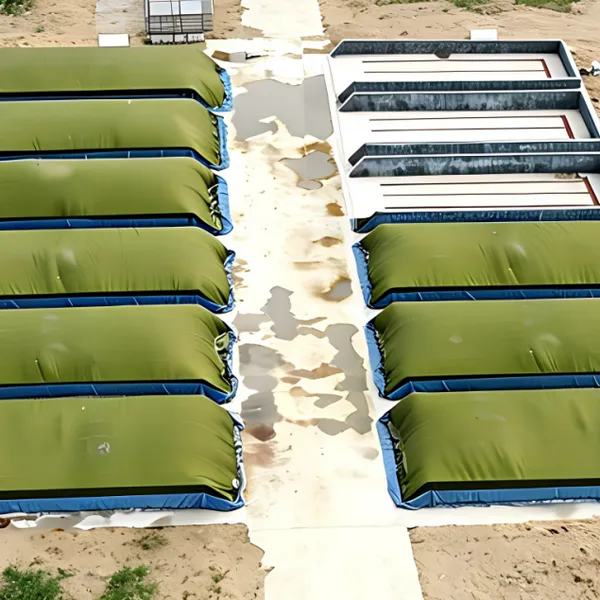 Read More
 -
Household Waste Treatment via Semi-Permeable Membrane Organic Fertilizer Fermentation GO GOOD
June 23, 2026Household Waste Treatment via Semi-Permeable Membrane Organic Fertilizer FermentationWith the rapid growth of urban domestic waste
Read More -
Household Waste Treatment via Semi-Permeable Membrane Organic Fertilizer Fermentation Go re
June 23, 2026Household Waste Treatment via Semi-Permeable Membrane Organic Fertilizer FermentationWith the rapid growth of urban domestic waste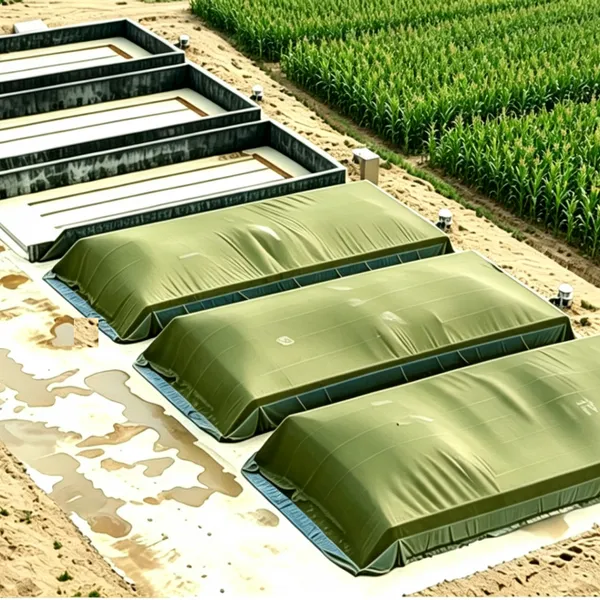 Read More

Contact Us

Recommended Products
-
 Domestic Waste Aerobic Fermentation Organic Covering EPTFE Semi-permeable Membrane System of GegoodUS$ 3000MOQ: 1 Set
 -
Domestic Waste Aerobic Fermentation Organic Covering EPTFE Semi-permeable Membrane System of GegoodUS$ 3000MOQ: 1 Set
-
Domestic Waste Aerobic Fermentation Organic Covering EPTFE Semi-permeable Membrane System of GegoodUS$ 3000MOQ: 1 Set
-
Domestic Waste Aerobic Fermentation Organic Covering EPTFE Semi-permeable Membrane System of GegoodUS$ 3000MOQ: 1 Set
-
Domestic Waste Aerobic Fermentation Organic Covering EPTFE Semi-permeable Membrane System of GegoodUS$ 3000MOQ: 1 Set
-
Domestic Waste Aerobic Fermentation Organic Covering EPTFE Semi-permeable Membrane System of JiguangUS$ 3000MOQ: 1 Set
-
Domestic Waste Aerobic Fermentation Organic Covering EPTFE Semi-permeable Membrane System of JiguangUS$ 3000MOQ: 1 Set
-
Domestic Waste Aerobic Fermentation Organic Covering EPTFE Semi-permeable Membrane System of JiguangUS$ 3000MOQ: 1 Set
-
Domestic Waste Aerobic Fermentation Organic Covering EPTFE Semi-permeable Membrane System of JiguangUS$ 3000MOQ: 1 Set
-
Domestic Waste Aerobic Fermentation Organic Covering EPTFE Semi-permeable Membrane System of JiguangUS$ 3000MOQ: 1 Set
-
Qingdao Gegood® Domestic Waste Aerobic Fermentation Organic Covering EPTFE Semi-permeable Membrane SystemUS$ 3000MOQ: 1 Set
-
Qingdao Gegood® Domestic Waste Aerobic Fermentation Organic Covering EPTFE Semi-permeable Membrane SystemUS$ 3000MOQ: 1 Set
-
Qingdao Gegood® Domestic Waste Aerobic Fermentation Organic Covering EPTFE Semi-permeable Membrane SystemUS$ 3000MOQ: 1 Set
-
Qingdao Gegood® Domestic Waste Aerobic Fermentation Organic Covering EPTFE Semi-permeable Membrane SystemUS$ 3000MOQ: 1 Set
-
Qingdao Gegood® Domestic Waste Aerobic Fermentation Organic Covering EPTFE Semi-permeable Membrane SystemUS$ 3000MOQ: 1 Set
-
Gegood® Domestic Waste Aerobic Fermentation Organic Covering EPTFE Semi-permeable Membrane SystemUS$ 3000MOQ: 1 Set
-
Gegood® Domestic Waste Aerobic Fermentation Organic Covering EPTFE Semi-permeable Membrane SystemUS$ 3000MOQ: 1 Set
-
Gegood® Domestic Waste Aerobic Fermentation Organic Covering EPTFE Semi-permeable Membrane SystemUS$ 3000MOQ: 1 Set
-
Gegood® Domestic Waste Aerobic Fermentation Organic Covering EPTFE Semi-permeable Membrane SystemUS$ 3000MOQ: 1 Set
-
Gegood® Domestic Waste Aerobic Fermentation Organic Covering EPTFE Semi-permeable Membrane SystemUS$ 3000MOQ: 1 Set