 Business License
jiguang Domestic Waste Composting Fermentation for Organic Fertilizer with Semi-permeable Membrane
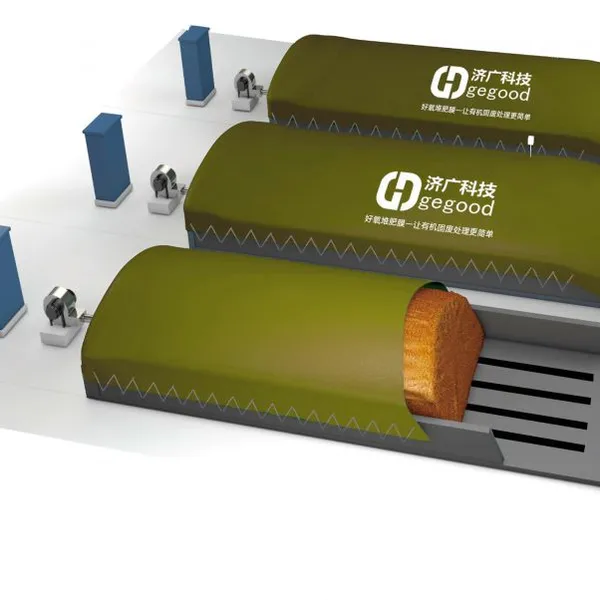
Domestic Waste Composting Fermentation for Organic Fertilizer with Semi-permeable Membrane Technology
1. Overview
Semi-permeable membrane covered composting fermentation is an efficient, environmentally friendly and low-carbon organic fertilizer production technology for domestic waste treatment. It takes sorted and pretreated organic domestic waste (including kitchen waste, garden waste, residual food and other biodegradable organic fractions) as the main raw material, and adopts a special semi-permeable membrane covering system to create a controllable microenvironment for aerobic composting fermentation. Through microbial aerobic fermentation, decomposition, humification and stabilization, the organic waste is finally converted into high-quality mature organic fertilizer, realizing the resource recycling, reduction and harmless treatment of domestic waste.
This technology perfectly solves the pain points of traditional open-air composting and fully closed tank composting, such as severe odor pollution, unstable fermentation temperature, low decomposition efficiency, large floor area and high operating cost, and has become a mainstream green treatment process for domestic waste resource utilization in modern environmental engineering.
2. Core Working Principle
The core of the technology lies in the selective permeability of the special functional semi-permeable membrane. The membrane material has unique micro-pore structure characteristics: it allows water vapor and excess hot air generated during composting fermentation to diffuse outward smoothly, effectively discharging the moisture and heat accumulated in the compost pile; at the same time, it completely isolates external rainwater, dust, pests and sundries, and locks internal odor gas and harmful volatile substances inside the pile body.
Under the membrane-covered closed and breathable environment, aerobic microorganisms in the domestic waste multiply rapidly and maintain high activity. They continuously decompose organic matters such as protein, cellulose and starch in the waste, convert macromolecular organic substances into small molecular nutrients and humus. The stable high-temperature environment (55–70℃) formed in the compost pile can effectively kill pathogenic bacteria, insect eggs and weed seeds, realizing the harmless maturation of compost materials and forming nutrient-rich, stable and pollution-free organic fertilizer.
3. Complete Technological Process
Step 1: Raw Material PretreatmentSorted organic domestic waste is firstly pretreated through crushing, impurity removal, screening and proportioning. Inert substances such as plastic, glass and metal are removed, and the waste particle size is homogenized. Auxiliary materials such as straw and sawdust are added to adjust the carbon-nitrogen ratio and moisture content of the raw materials to meet the optimal conditions for microbial fermentation.
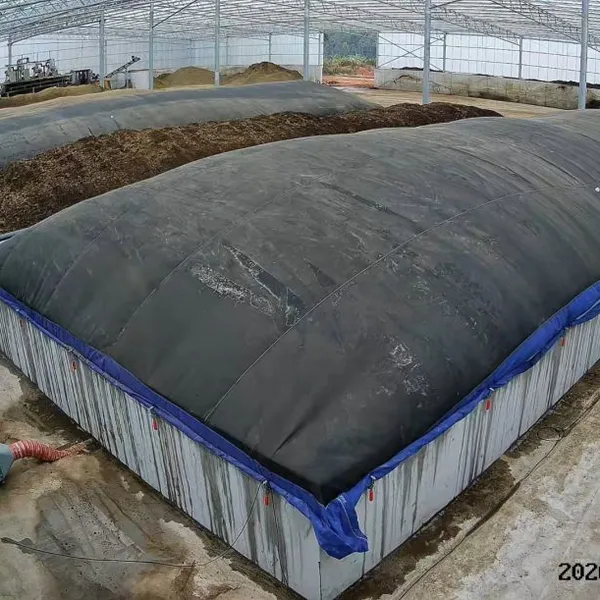
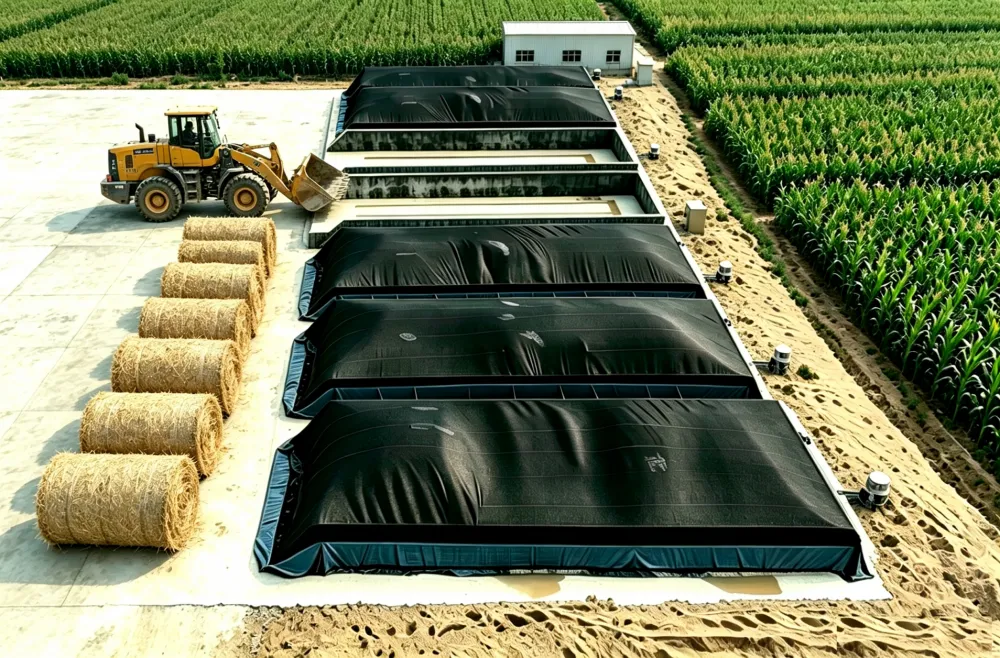
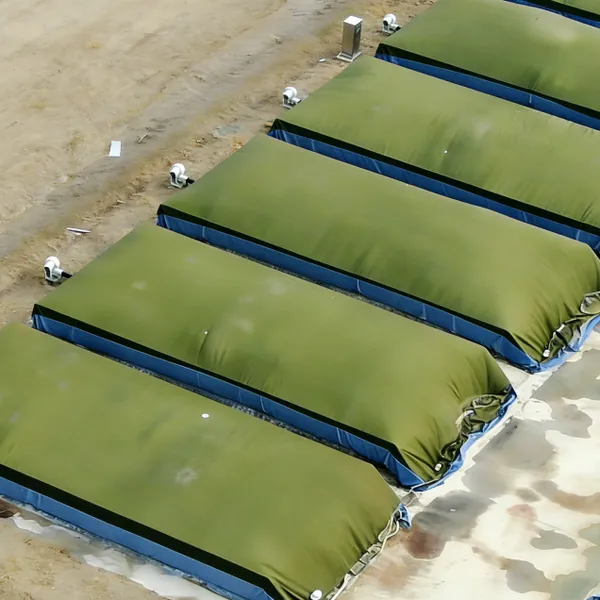
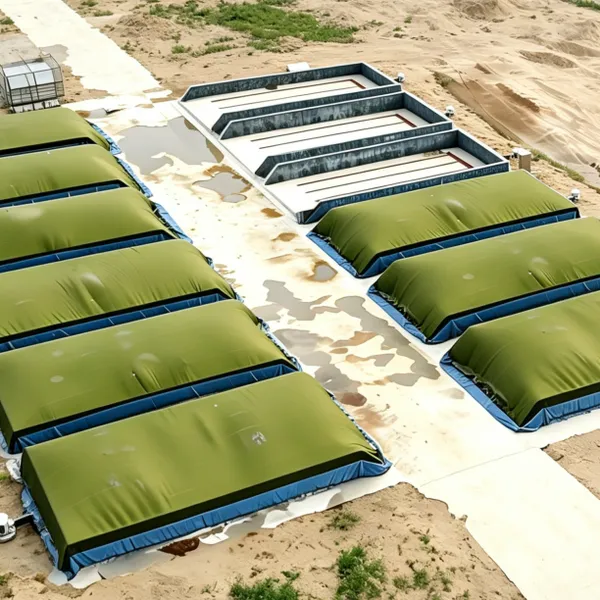
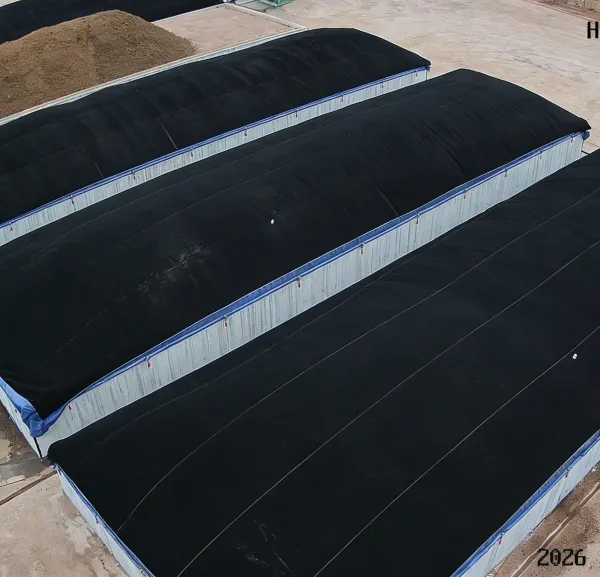
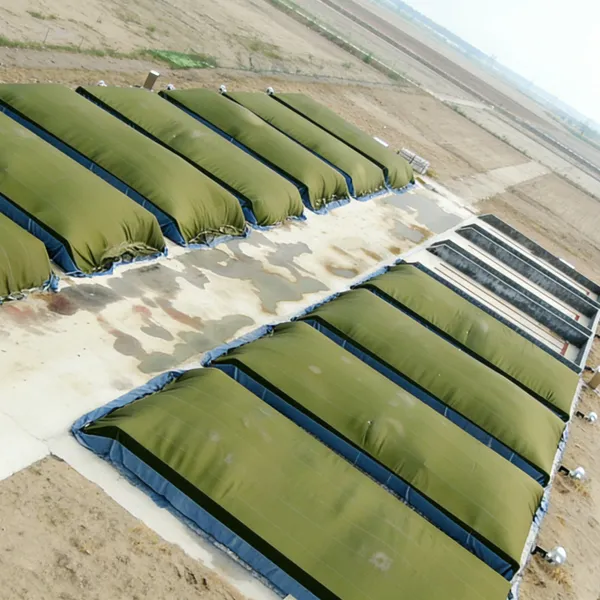
Step 2: Pile Building and Membrane CoveringThe pretreated raw materials are stacked into standardized long-strip compost piles. After manual or mechanical leveling, the special semi-permeable membrane is fully covered and fixed tightly around the pile body to form a relatively closed and breathable fermentation system.
Step 3: Aerobic Fermentation and MaturationWith the help of natural ventilation and intermittent mechanical turning, the compost pile maintains sufficient oxygen supply. Relying on the membrane’s breathable and odor-locking functions, the materials undergo high-temperature aerobic fermentation, temperature rise, constant temperature sterilization and gradual cooling maturation stages. The whole fermentation cycle is stable and efficient, basically free from the influence of external weather.
Step 4: Post-treatment and Finished Product PreparationAfter full fermentation and maturation, the materials are secondary screened, crushed and mixed. According to agricultural planting needs, the materials can be processed into powdery or granular organic fertilizer products, which meet national agricultural organic fertilizer standards.
4. Key Technical Advantages
Excellent Odor Control EffectDifferent from open composting that causes serious odor diffusion, the semi-permeable membrane can lock most odor molecules inside the compost pile, effectively reducing on-site and peripheral odor pollution, with no need for complex deodorization equipment, and greatly improving the operation environment.
Stable Fermentation QualityThe membrane layer isolates external rain, snow, wind and frost, avoiding the fluctuation of water content and temperature of the compost pile caused by weather changes. The internal constant temperature and humidity environment ensures thorough material decomposition, high humification degree and stable fertilizer quality.
Low Operation and Construction CostCompared with fully closed intelligent composting workshops and tank fermentation equipment, the membrane-covered process has simple structure, low investment in infrastructure and equipment, low daily energy consumption and maintenance cost, and is suitable for large-scale popularization in various regions.
High Resource Utilization Rate100% of biodegradable organic domestic waste is recycled and converted into organic fertilizer, which improves soil fertility, improves soil hardening and salinization problems, and realizes ecological cyclic utilization of waste resources.
Green and Low-Carbon Environmental ProtectionThe whole process produces no secondary pollution. The high-temperature fermentation process reduces greenhouse gas emissions such as methane generated by anaerobic decay of waste, which is in line with the requirements of ecological environmental protection and low-carbon development.
5. Product Application and Environmental Value
The organic fertilizer produced from domestic waste via semi-permeable membrane composting is rich in organic matter, nitrogen, phosphorus, potassium and trace elements required for crop growth. It is widely applicable to farmland planting, orchard cultivation, urban greening, nursery stock breeding and ecological restoration projects. Long-term application can effectively improve soil structure, enhance soil water retention and fertilizer retention capacity, reduce the use of chemical fertilizers, and promote the development of green ecological agriculture.
In terms of environmental governance, this technology provides a sustainable and economical solution for the centralized and standardized treatment of domestic waste. It realizes the transformation from "waste disposal" to "resource utilization", reduces the pressure of landfill and incineration treatment of domestic waste, and creates good ecological, economic and social benefits for urban and rural environmental governance.
Recently Posted
-
Household Waste Treatment via Semi-Permeable Membrane Organic Fertilizer Fermentation of GG
June 23, 2026Household Waste Treatment via Semi-Permeable Membrane Organic Fertilizer FermentationWith the rapid growth of urban domestic waste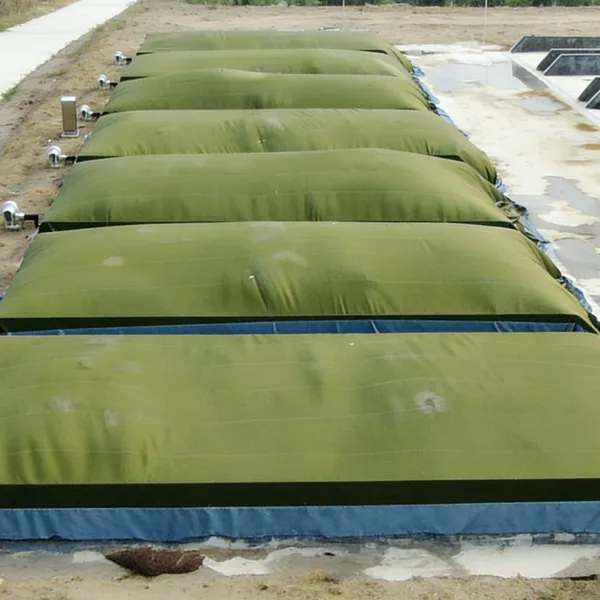 Read More
 -
Household Waste Treatment via Semi-Permeable Membrane Organic Fertilizer Fermentation go-re
June 23, 2026Household Waste Treatment via Semi-Permeable Membrane Organic Fertilizer FermentationWith the rapid growth of urban domestic waste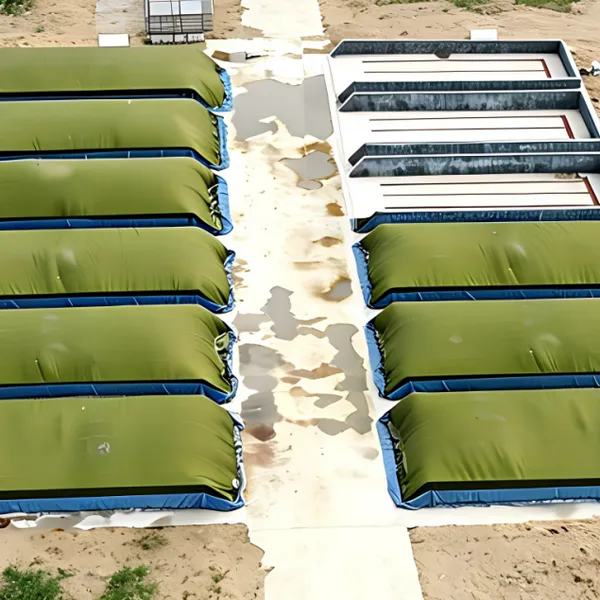 Read More
 -
Household Waste Treatment via Semi-Permeable Membrane Organic Fertilizer Fermentation OF go re
June 23, 2026Household Waste Treatment via Semi-Permeable Membrane Organic Fertilizer FermentationWith the rapid growth of urban domestic waste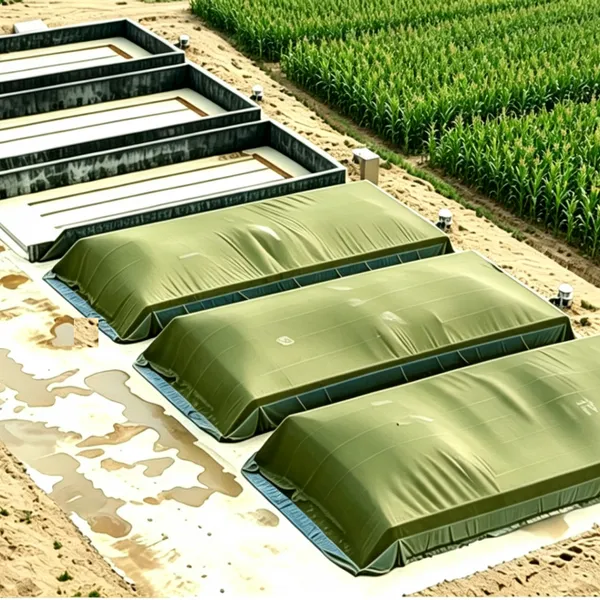 Read More
 -
Household Waste Treatment via Semi-Permeable Membrane Organic Fertilizer Fermentation GO GOOD
June 23, 2026Household Waste Treatment via Semi-Permeable Membrane Organic Fertilizer FermentationWith the rapid growth of urban domestic waste
Read More

Contact Us

Recommended Products
-
 Domestic Waste Aerobic Fermentation Organic Covering EPTFE Semi-permeable Membrane System of GegoodUS$ 3000MOQ: 1 Set
 -
Domestic Waste Aerobic Fermentation Organic Covering EPTFE Semi-permeable Membrane System of GegoodUS$ 3000MOQ: 1 Set
-
Domestic Waste Aerobic Fermentation Organic Covering EPTFE Semi-permeable Membrane System of GegoodUS$ 3000MOQ: 1 Set
-
Domestic Waste Aerobic Fermentation Organic Covering EPTFE Semi-permeable Membrane System of GegoodUS$ 3000MOQ: 1 Set
-
Domestic Waste Aerobic Fermentation Organic Covering EPTFE Semi-permeable Membrane System of GegoodUS$ 3000MOQ: 1 Set
-
Domestic Waste Aerobic Fermentation Organic Covering EPTFE Semi-permeable Membrane System of JiguangUS$ 3000MOQ: 1 Set
-
Domestic Waste Aerobic Fermentation Organic Covering EPTFE Semi-permeable Membrane System of JiguangUS$ 3000MOQ: 1 Set
-
Domestic Waste Aerobic Fermentation Organic Covering EPTFE Semi-permeable Membrane System of JiguangUS$ 3000MOQ: 1 Set
-
Domestic Waste Aerobic Fermentation Organic Covering EPTFE Semi-permeable Membrane System of JiguangUS$ 3000MOQ: 1 Set
-
Domestic Waste Aerobic Fermentation Organic Covering EPTFE Semi-permeable Membrane System of JiguangUS$ 3000MOQ: 1 Set
-
Qingdao Gegood® Domestic Waste Aerobic Fermentation Organic Covering EPTFE Semi-permeable Membrane SystemUS$ 3000MOQ: 1 Set
-
Qingdao Gegood® Domestic Waste Aerobic Fermentation Organic Covering EPTFE Semi-permeable Membrane SystemUS$ 3000MOQ: 1 Set
-
Qingdao Gegood® Domestic Waste Aerobic Fermentation Organic Covering EPTFE Semi-permeable Membrane SystemUS$ 3000MOQ: 1 Set
-
Qingdao Gegood® Domestic Waste Aerobic Fermentation Organic Covering EPTFE Semi-permeable Membrane SystemUS$ 3000MOQ: 1 Set
-
Qingdao Gegood® Domestic Waste Aerobic Fermentation Organic Covering EPTFE Semi-permeable Membrane SystemUS$ 3000MOQ: 1 Set
-
Gegood® Domestic Waste Aerobic Fermentation Organic Covering EPTFE Semi-permeable Membrane SystemUS$ 3000MOQ: 1 Set
-
Gegood® Domestic Waste Aerobic Fermentation Organic Covering EPTFE Semi-permeable Membrane SystemUS$ 3000MOQ: 1 Set
-
Gegood® Domestic Waste Aerobic Fermentation Organic Covering EPTFE Semi-permeable Membrane SystemUS$ 3000MOQ: 1 Set
-
Gegood® Domestic Waste Aerobic Fermentation Organic Covering EPTFE Semi-permeable Membrane SystemUS$ 3000MOQ: 1 Set
-
Gegood® Domestic Waste Aerobic Fermentation Organic Covering EPTFE Semi-permeable Membrane SystemUS$ 3000MOQ: 1 Set