 Business License
Introduction to Domestic Waste and Feces Composting Covered with Semi-Permeable Membrane jiguang
Introduction to Domestic Waste and Feces Composting Covered with Semi-Permeable Membrane
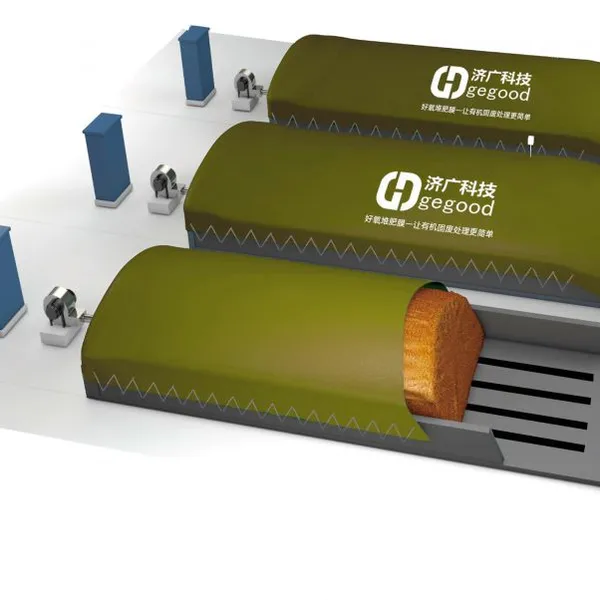
Semi-permeable membrane-covered composting is an innovative, efficient, and eco-friendly aerobic fermentation technology specially designed for the resource treatment of domestic waste and livestock and human feces. As an upgraded static composting process, it effectively solves the common pain points of traditional open-air composting, including severe odor pollution, low fermentation efficiency, unstable product quality, and vulnerability to extreme weather interference. This technology has been widely applied in decentralized and centralized organic waste treatment scenarios due to its low cost, simple operation, and superior environmental protection performance.
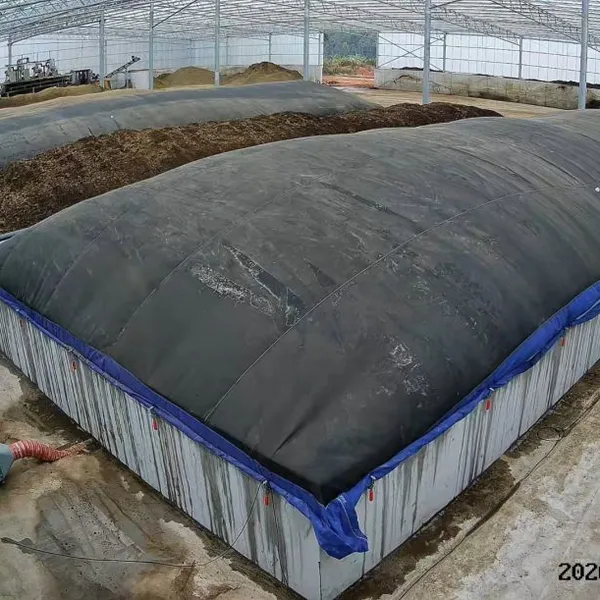
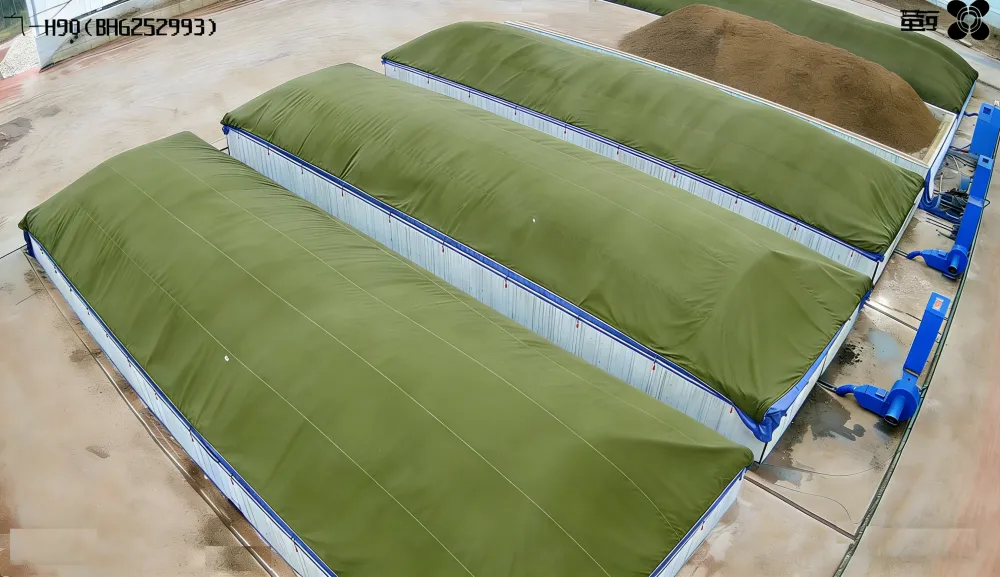
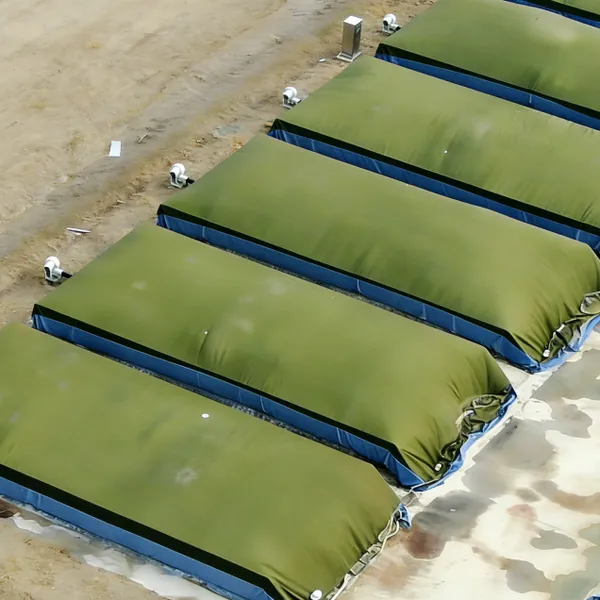
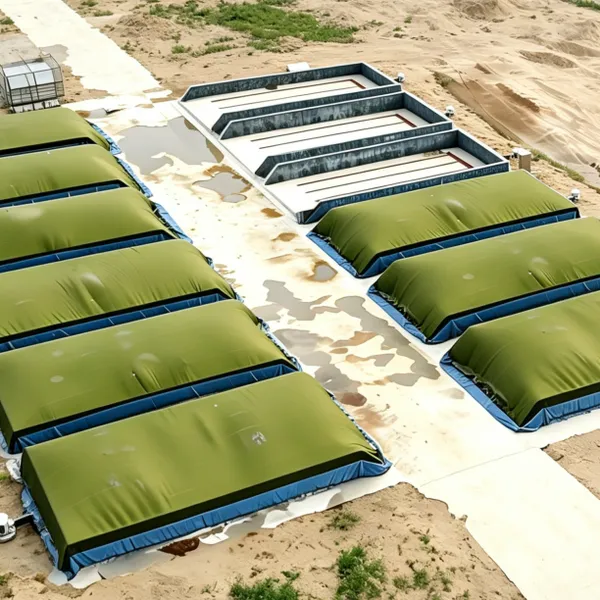
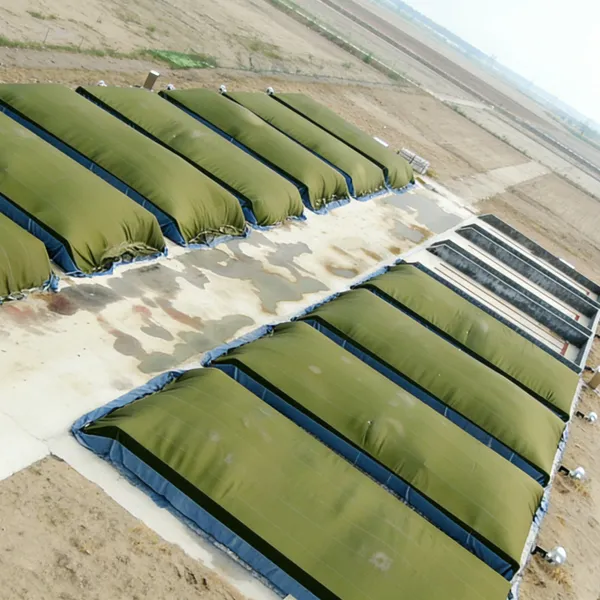
The core of this technology lies in the adoption of a high-performance engineered semi-permeable membrane (mostly expanded polytetrafluoroethylene, e-PTFE material) with uniform microporous structures (0.2–0.4 μm in aperture). The membrane features a unique selective permeability: it freely allows the passage of water vapor and air to maintain the aerobic environment required for microbial fermentation, while effectively blocking the outward diffusion of odor molecules, ammonia gas, greenhouse gases, dust, and pathogenic microorganisms. Meanwhile, the membrane layer can isolate rainwater, wind, and external temperature changes, creating a stable, closed micro-positive pressure fermentation environment for the compost pile.
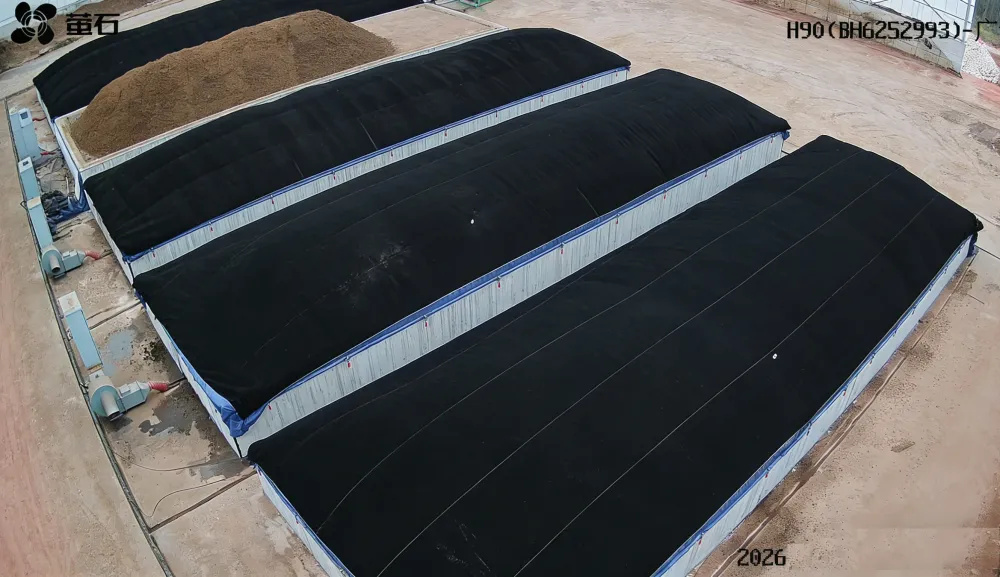
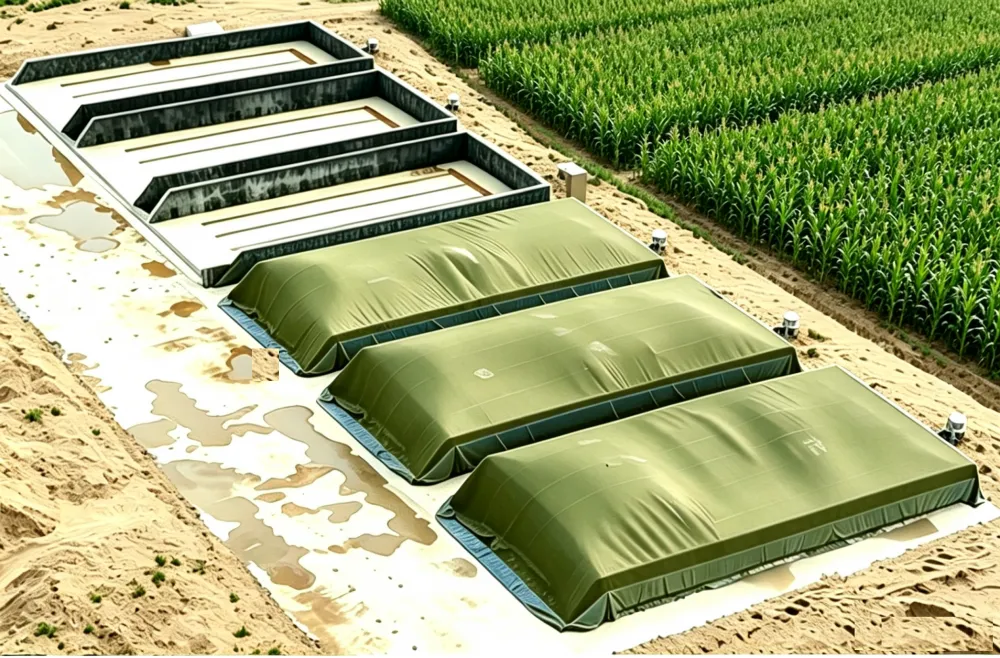
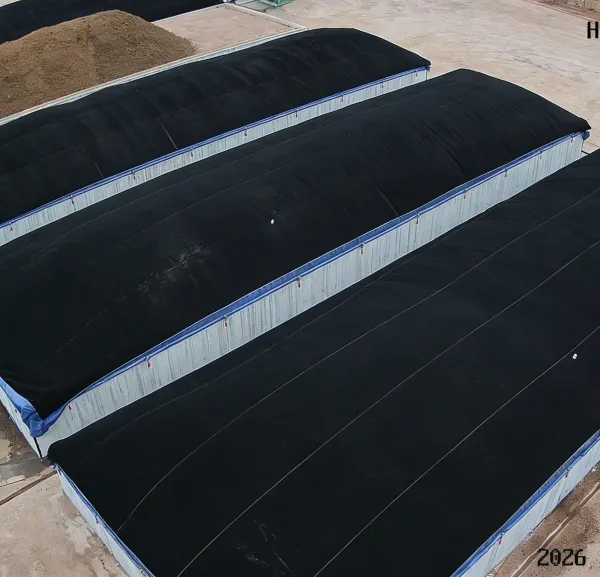
The overall composting workflow is standardized and streamlined. First, sorted and crushed domestic organic waste is mixed with pretreated feces in a scientific proportion to adjust the raw material’s moisture content, carbon-nitrogen ratio, and porosity to the optimal range for microbial growth. After uniform mixing and stacking, the compost pile is fully covered and sealed with the semi-permeable membrane. With auxiliary micro-aeration systems, a continuous and uniform oxygen supply is realized inside the pile. Driven by aerobic microorganisms, the organic matter undergoes rapid high-temperature decomposition, achieving harmless treatment effects such as pathogen inactivation, parasite egg killing, and organic humification.
Compared with conventional open composting and fully enclosed mechanical composting, this membrane-covered process has prominent technical advantages. Firstly, it significantly reduces pollutant emissions: the membrane barrier cuts ammonia nitrogen emission by about 48.5% and nitrous oxide emission by 44.1%, effectively suppressing odor overflow and secondary environmental pollution while retaining more nitrogen nutrients in the compost to improve fertilizer efficiency. Secondly, it stabilizes the fermentation temperature and shortens the cycle. The closed thermal insulation environment raises and maintains the pile temperature stably, accelerates organic matter degradation, and shortens the composting cycle by 20%–30% compared with traditional static composting.
Thirdly, the technology boasts strong environmental adaptability. It is not affected by rainy, windy, or low-temperature weather, realizing stable year-round composting operation without strict factory building and sealing facilities, which greatly reduces infrastructure investment and operating costs. In addition, the micro-positive pressure environment under the membrane eliminates anaerobic dead zones inside the compost pile, improves the uniformity of fermentation, and ensures the finished compost reaches national agricultural reuse standards with stable quality.
In terms of practical application, this technology is suitable for rural domestic waste treatment, urban decentralized organic waste disposal, livestock and poultry feces resource utilization, and rural sanitary feces treatment. The final decomposed compost product is a high-quality organic fertilizer, which can be widely used in farmland planting, garden greening, and soil improvement, realizing the closed-loop recycling of "waste treatment-resource utilization".
In conclusion, semi-permeable membrane-covered composting for domestic waste and feces integrates environmental protection, high efficiency, and economy. It overcomes the defects of traditional composting technologies, realizes low-carbon and harmless treatment of organic solid waste, and provides a reliable and sustainable solution for rural and urban organic waste resource recycling and ecological environmental improvement.
Recently Posted
-
Household Waste Treatment via Semi-Permeable Membrane Organic Fertilizer Fermentation of GG
June 23, 2026Household Waste Treatment via Semi-Permeable Membrane Organic Fertilizer FermentationWith the rapid growth of urban domestic waste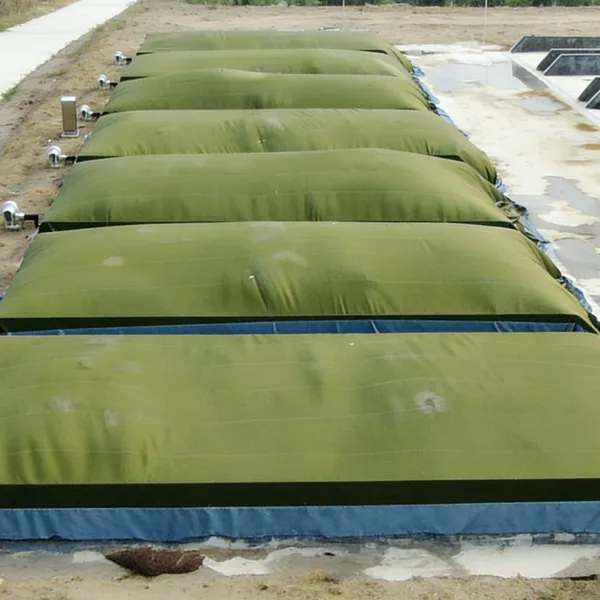 Read More
 -
Household Waste Treatment via Semi-Permeable Membrane Organic Fertilizer Fermentation go-re
June 23, 2026Household Waste Treatment via Semi-Permeable Membrane Organic Fertilizer FermentationWith the rapid growth of urban domestic waste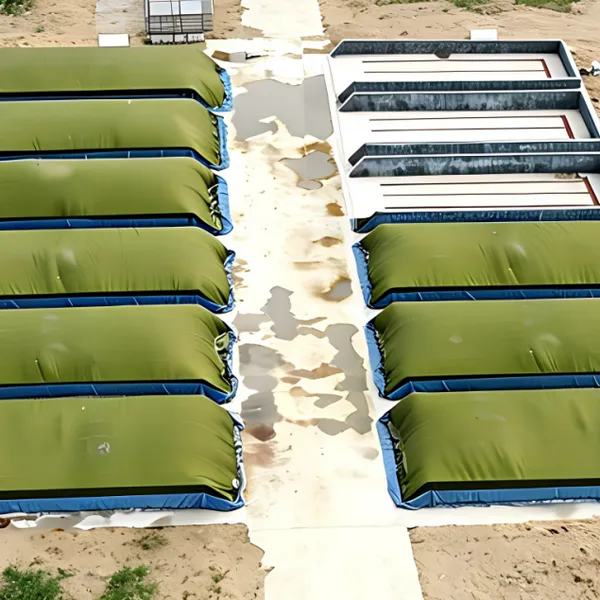 Read More
 -
Household Waste Treatment via Semi-Permeable Membrane Organic Fertilizer Fermentation OF go re
June 23, 2026Household Waste Treatment via Semi-Permeable Membrane Organic Fertilizer FermentationWith the rapid growth of urban domestic waste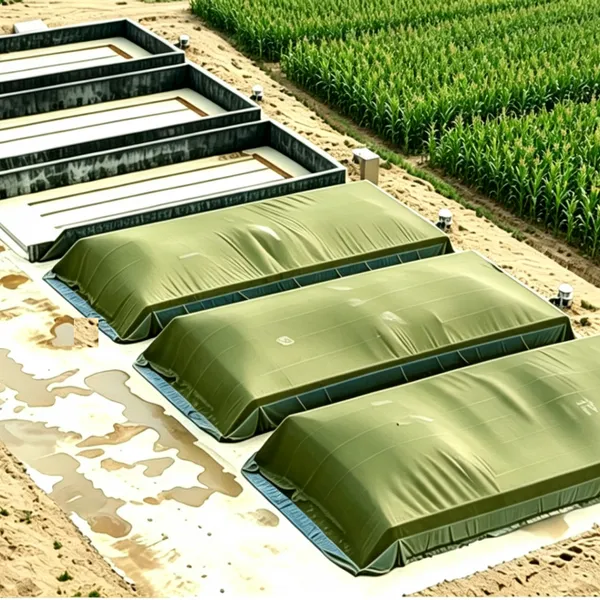 Read More
 -
Household Waste Treatment via Semi-Permeable Membrane Organic Fertilizer Fermentation GO GOOD
June 23, 2026Household Waste Treatment via Semi-Permeable Membrane Organic Fertilizer FermentationWith the rapid growth of urban domestic waste
Read More

Contact Us

Recommended Products
-
 Domestic Waste Aerobic Fermentation Organic Covering EPTFE Semi-permeable Membrane System of GegoodUS$ 3000MOQ: 1 Set
 -
Domestic Waste Aerobic Fermentation Organic Covering EPTFE Semi-permeable Membrane System of GegoodUS$ 3000MOQ: 1 Set
-
Domestic Waste Aerobic Fermentation Organic Covering EPTFE Semi-permeable Membrane System of GegoodUS$ 3000MOQ: 1 Set
-
Domestic Waste Aerobic Fermentation Organic Covering EPTFE Semi-permeable Membrane System of GegoodUS$ 3000MOQ: 1 Set
-
Domestic Waste Aerobic Fermentation Organic Covering EPTFE Semi-permeable Membrane System of GegoodUS$ 3000MOQ: 1 Set
-
Domestic Waste Aerobic Fermentation Organic Covering EPTFE Semi-permeable Membrane System of JiguangUS$ 3000MOQ: 1 Set
-
Domestic Waste Aerobic Fermentation Organic Covering EPTFE Semi-permeable Membrane System of JiguangUS$ 3000MOQ: 1 Set
-
Domestic Waste Aerobic Fermentation Organic Covering EPTFE Semi-permeable Membrane System of JiguangUS$ 3000MOQ: 1 Set
-
Domestic Waste Aerobic Fermentation Organic Covering EPTFE Semi-permeable Membrane System of JiguangUS$ 3000MOQ: 1 Set
-
Domestic Waste Aerobic Fermentation Organic Covering EPTFE Semi-permeable Membrane System of JiguangUS$ 3000MOQ: 1 Set
-
Qingdao Gegood® Domestic Waste Aerobic Fermentation Organic Covering EPTFE Semi-permeable Membrane SystemUS$ 3000MOQ: 1 Set
-
Qingdao Gegood® Domestic Waste Aerobic Fermentation Organic Covering EPTFE Semi-permeable Membrane SystemUS$ 3000MOQ: 1 Set
-
Qingdao Gegood® Domestic Waste Aerobic Fermentation Organic Covering EPTFE Semi-permeable Membrane SystemUS$ 3000MOQ: 1 Set
-
Qingdao Gegood® Domestic Waste Aerobic Fermentation Organic Covering EPTFE Semi-permeable Membrane SystemUS$ 3000MOQ: 1 Set
-
Qingdao Gegood® Domestic Waste Aerobic Fermentation Organic Covering EPTFE Semi-permeable Membrane SystemUS$ 3000MOQ: 1 Set
-
Gegood® Domestic Waste Aerobic Fermentation Organic Covering EPTFE Semi-permeable Membrane SystemUS$ 3000MOQ: 1 Set
-
Gegood® Domestic Waste Aerobic Fermentation Organic Covering EPTFE Semi-permeable Membrane SystemUS$ 3000MOQ: 1 Set
-
Gegood® Domestic Waste Aerobic Fermentation Organic Covering EPTFE Semi-permeable Membrane SystemUS$ 3000MOQ: 1 Set
-
Gegood® Domestic Waste Aerobic Fermentation Organic Covering EPTFE Semi-permeable Membrane SystemUS$ 3000MOQ: 1 Set
-
Gegood® Domestic Waste Aerobic Fermentation Organic Covering EPTFE Semi-permeable Membrane SystemUS$ 3000MOQ: 1 Set